
Gilles Tamagnan
Keynote speaker “PET is Wonderful” 2018
Gilles D. Tamagnan, PhD, received his doctorate in medicinal chemistry at the University Joseph Fourier in Grenoble, France in 1993. After a postdoctoral fellowship spent on the crystallization of protein, Dr. Tamagnan completed a second postdoctoral fellowship at RBI in Boston, Massachusetts. His research was focused on developing new radioligands for the diagnosis of Parkinson’s disease, and Dr. Tamagnan is a co-inventor of DatScan. He joined the Neuroimaging Program at Yale University in June 1997 to work on the development of new radioligands to study neurodegenerative diseases. Later he moved to Molecular NeuroImaging (MNI) LLC and the Institute for Neurodegenerative Disorders (IND) in 2003, where he worked as Vice President of Chemistry and Translational Research and Laboratory Research and Development Director for several years. Recently Dr Tamagnan has found and is the current Chief Executive Officer of XingImaging LLC, a company focused on developing new radiotracers and providing imaging services.
Paul Maguire
Keynote speaker “PET is Wonderful” 2018
Paul is Senior Director and Molecular Imaging Lead in UCB Pharma Translational Medicine Neuroscience, Braine l’Alleud, Belgium. He received his BSc. from Paisley College of Technology and PhD from University of Surrey, UK and is MIPEM, MInstP and UK clinical scientist. He was previously Director and Head of Clinical Imaging at Novartis Basel, Switzerland and Director of Neuroimaging at Pfizer Global R&D, Groton, US. He has been leading the application of imaging and biomarkers in translational neurosciences for the past 14 years. His research interests include PET-PK modeling, molecular imaging probe development, neuronal activation as a target and mechanism biomarker, and atrophy measurements using structural MRI. In his earlier career 1990-2004 Paul was physicist in the PET program, Paul Scherrer Institute PET research program in Villigen, Switzerland, assistant professor and medical physicist at University Medical Center Groningen / University of Groningen.A short bio with personal history, key achievements, or an interesting fact.


Gitte Knudsen
Keynote speaker “PET is Wonderful” 2019
Prof Knudsen is a Professor of neurobiology, Chief Consultant and Chairmain of the Neurobiology Research Unit and Director of Center for Experimental Medicine Neuropharmacology (NeuroPharm) at the Copenhagen University. Her previous appointments included visiting scientist at NIH and at Stony Brook, USA (1985-90), at Institute of Physiology, Bonn, Germany (1988-89), and at MGH Harvard, Boston (2011-12). As well as, Director of Center for Integrated Molecular Brain Imaging (Cimbi) 2006-15. Prof Knudsen’s scientific interests include blood-brain barrier transport, neurobiology of cerebral blood flow and metabolism and the neurobiology of cerebral neurotransmission with particular emphasis on molecular brain imaging. She has published over 351 scientific papers and reviews, as well as, 28 books/book chapters. Since 1999, Prof Knudsen supervised a total of 24 PhD-students who have defended their PhD thesis. Currently, she is supervising 9 PhD students and mentoring 10 post docs. Prof Knudsen is the Field Editor at the International Journal of Neuropsychopharmacology since 2013. She is a past member of the Board of Directors of the Brain Prize (2013-17) and a current member of the Brain Prize Council (since 2017), a scientific advisor for the Kristian G. Jebsen Foundation, Norway (since 2014) and a board member of the Elsass Foundation (since 2015). Prof Knudsen is also the President-elect of the European College of Neuropsychopharmacology (ECNP) since 2016 and the Chair of the Scientific Advisory Board for The Human Brain Project since 2017.A short bio with personal history, key achievements, or an interesting fact.
David Mankoff
Keynote speaker “PET is Wonderful” 2019
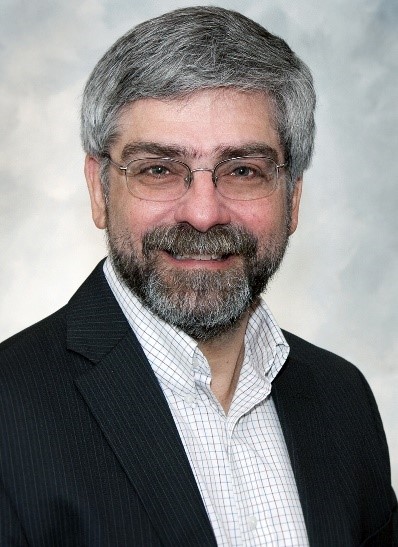
Prof Mankoff is the Gerd Muehllehner Professor of Radiology, Vice-Chair for Research in Radiology, and Director of the PET Center at the Perelman School of Medicine at the University of Pennsylvania. He also serves as the Director of the Penn Radiology Department’s PET Center and as the Associate Director for Education and Training for Penn’s Abramson Cancer Center. Prof Mankoff is board-certified in Nuclear Medicine and holds a PhD in Bioengineering focusing on PET instrumentation. He practices Nuclear Medicine at the University of Pennsylvania, with a special interest in oncologic applications of molecular imaging and radionuclide treatment of endocrine tumors and other cancers. Prof Mankoff’s research focuses on molecular imaging of cancer, primarily on breast cancer, and emphasizes therapeutic monitoring, identifying factors mediating therapeutic resistance, and the translation of new methods to clinical trials. He also focuses on imaging methodology and quantitative imaging methods related to molecular cancer imaging. Prof Mankoff is a Komen Scholar for the Susan G. Komen Foundation. He also Chairs the Experimental Imaging Sciences Committee and serves as Co-Chair of the Scientific Program Committee of ECOG-ACRIN. Prof Mankoff is a past member and President of the American Board of Nuclear Medicine and is on the editorial boards of Nuclear Medicine and Biology, Breast Cancer Research, Journal of Nuclear Medicine, The Breast Journal, and Clinical Cancer Research and serves as an Associate Editor for Breast Cancer Research and the Journal of Nuclear Medicine.

Rich Carson
Keynote speaker “PET is Wonderful” 2020 & Invited speaker “PET is Wonderful” 2022
Richard E. Carson received his PhD from UCLA in 1983 in Biomathematics. From that time on, he has focused his research on the development and application of mathematical techniques for the study of human beings and non-human primates with Positron Emission Tomography (PET). From 1983 until 2005, he was an integral part of the PET program at the National Institutes of Health, rising to the rank of Senior Scientist. In 2005, Prof Carson joined the faculty of Yale University as Professor of Biomedical Engineering and Diagnostic Radiology. Currently, he is Director of the Yale PET Center and the Director of Graduate Studies in Biomedical Engineering at Yale University.Prof Carson has published over 300 papers in peer-reviewed journals, given over 150 invited lectures and is a member of the editorial board of two of the leading journals in the field of brain PET, the Journal of Nuclear Medicine, and the Journal of Cerebral Blood Flow and Metabolism. Prof Carson has received numerous awards throughout the years in recognition of his ground-breaking contributions to the field of PET imaging, including: the Kuhl-Lassen award (2007), the Ed Hoffman Memorial Award from the Computer and Instrumentation Council of the Society of Nuclear Medicine (2009), Distinguished Investigator Award from the Academy of Radiology Research (2016), and the Edward J. Hoffman Medical Imaging Scientist Award from the IEEE (2017). Prof Carson also gave the prestigious Henry N. Wagner Jr. Lectureship at the Society of Nuclear Medicine and Molecular Imaging annual meeting in Philadelphia in 2018 and was named Fellow of the IEEE in 2019.
Tim McCarthy
Keynote speaker “PET is Wonderful” 2021
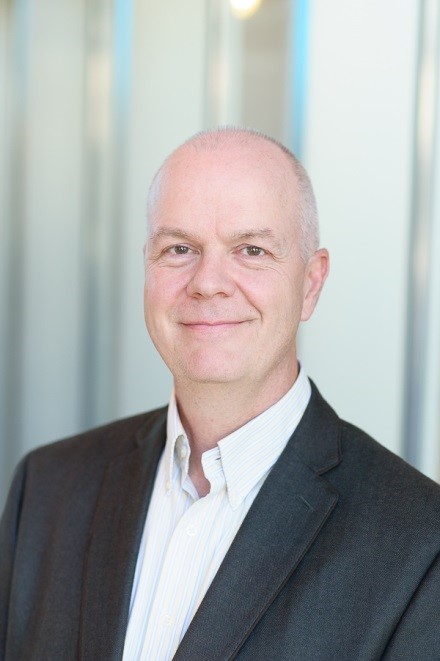
Tim McCarthy is the Vice-President and Head of Digital Medicine & Translational Imaging in Early Clinical Development at Pfizer. This team is dedicated to applying sensor- and non-invasive imaging-based technologies to clinical development programs across the enterprise. Tim has a background in Positron Emission Tomography, which he obtained during his time as a faculty member in Radiology at Washington University School of Medicine in St Louis. In 2001 he joined Pharmacia to pursue his interests in applying imaging to drug development. Following the Pfizer acquisition, Tim was appointed to lead a team dedicated to Clinical Imaging. In 2013, he expanded his role to include preclinical imaging and established a translational imaging team that works across the continuum of drug development. In 2018, he was appointed to his current role which expands his responsibilities to include the evaluation and deployment of novel wearables and sensor technologies in clinical development. Outside of Pfizer, Tim has been active in the imaging community; he was President of the Academy of Molecular Imaging (AMI) from 2008-11, prior to the formation of the World Molecular Imaging Society (WMIS). He was a founding director and past president of the Society of Non-Invasive Imaging in Drug Development (SNIDD) and a Fellow of the WMIS. Tim received his B.Sc. and Ph.D. in Organic Chemistry from the University of Liverpool, UK and his MBA from Washington University in St Louis.
Vesna Sossi
Keynote speaker “PET is Wonderful” 2022
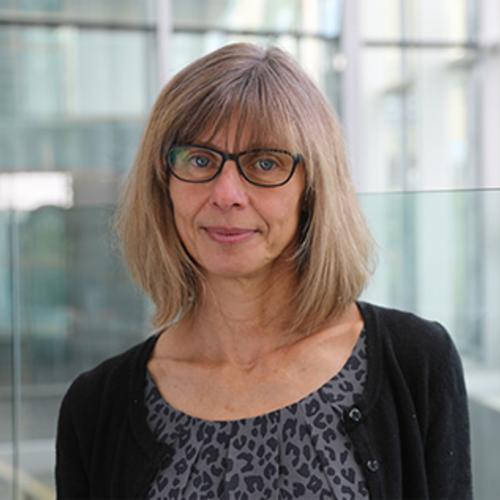
Professor Vesna Sossi received a Laurea degree in high energy Physics from the University of Trieste Italy and a PhD in Nuclear Physics from the University of British Columbia in 1991. After completing her graduate degree, she went on to a post-doctoral fellowship in the UBC/TRIUMF PET group working on Medical Imaging. She is currently a Professor in the Physics and Astronomy Department and Adjunct Professor in Medicine at UBC and has been leading the UBC Positron Emission Tomography (PET) brain imaging program since 2009.
Professor Sossi’s expertise and research interests lie in using clinical and preclinical imaging to investigate neurodegeneration and other brain diseases through development of instrumentation, data quantification, image analysis, kinetic modelling, image reconstruction and novel imaging protocols. She is particularly interested to further develop and exploit hybrid PET/MR imaging to gain access to as yet poorly investigated aspects of brain function such as brain energetics and neurovascular coupling in the healthy brain and as affected by neurodegeneration and exercise, as well as other possible neuroprotective mechanisms. Some examples of her research are: the development of a complex dopamine turnover measurement using PET in humans and rodents and the demonstration of its relevance to Parkinson’s disease, first applications of texture and pattern analyses to PET imaging of several neurotransmitter systems, particularly well-suited to identify interactions between systems, and a recent development of an MRI compatible PET insert.
She has over 210 peer reviewed journal publications, and actively trains many graduate and undergraduate students. Professor Sossi sits on several national and international review committees and received several CFI, NSERC and Michael Smith Foundation for Health Research awards during her career.
Steve Archibald
Invited speaker “PET is Wonderful” 2022
Research areas in the Archibald group are PET probe development, chemokine receptor imaging and lab-on-a-chip/ microfluidic devices for radiosynthesis and quality control.
Prof Archibald was awarded a first class BSc degree in Chemistry, Life Systems and Pharmaceuticals by the University of York in 1992 and a PhD in Chemistry by the University of Edinburgh in 1995. He carried out postdoctoral research at the Universities of Paris-Sud (France), Kansas (USA) and York (UK), before being appointed as a lecturer at the University of Hull in 2000.
Prof Archibald was promoted to Senior Lecturer in 2008, Reader in 2011, Director of the Positron Emission Tomography Research Centre in 2013 and Professor in 2014.

Victor Pike
Invited speaker “PET is Wonderful” 2022
Dr. Victor W. Pike received his B.Sc. (Hons) degree in chemistry from the University of Birmingham (UK) in 1972 and his Ph.D. in organic chemistry from the same University in 1975. Following a postdoctoral fellowship at Birmingham University, he joined the MRC Cyclotron Unit (Imperial College, London) in 1978 at the foundation of its strong research program in positron emission tomography (PET), eventually becoming Head of its Chemistry and Engineering Section Dr. Pike has a strong personal interest in all chemical aspects of the discovery, development and evaluation of novel radioactive probes for molecular imaging with PET. Dr. Pike has received a Marie Curie Award, Springer Prize, and Michael J, Welch Award for his work in this area. He has co-authored about 350 peer reviewed scientific articles. He joined the Molecular Imaging Branch of NIMH in 2001 as Chief of the PET Radiopharmaceutical Sciences Section (PRSS).
Dr Pike’s Section is focused on developing novel radioactive probes (radiotracers) for the investigation of neuropsychiatric disorders with PET. This research mainly encompasses medicinal chemistry for probe discovery and radiochemistry for labelling candidate probes with a short–lived positron-emitter. In Dr. Pike’s laboratory, radiotracers for imaging and quantifying various protein targets (e.g., plaques, transporters, enzymes or neurotransmitter receptors) in brain are in development. The imaging targets have included Aβ-amyloid plaque, TSPO (previously known as PBR) binding sites, the efflux transporter P-gp, the receptors mGluR5, mGluR1, CB1 and 5-HT1A, and the enzymes O-GlcNACase, PDE4D, PDE4B, COX-1 and COX-2. Development of methodology for radiolabeling with carbon-11 and fluorine-18 is key to successful radiotracer development and is a major component of the Section’s research.
Adriaan Lammertsma
Invited speaker “PET is Wonderful” 2022
Professor Adriaan A. Lammertsma has been active in PET research since 1979, when he joined the MRC Cyclotron Unit, Hammersmith Hospital in London. Apart from a sabbatical year at UCLA, Los Angeles, he stayed in London until 1996, and then moved to the VU University Medical Centre in Amsterdam. Over the years his research focus has been the development and application of tracer kinetic models for quantitative PET studies with applications in neurology, cardiology and oncology. After his formal retirement in 2018, he remained active and still holds an honorary position at the Amsterdam University Medical Centres. Since 2020, he is advisor for the Medical Imaging Centre, University Medical Centre Groningen. In addition, he is visiting professor at the Neurobiology Research Unit, Copenhagen University Hospital. He is the 2012 recipient of the Kuhl-Lassen Award from the Society of Nuclear Medicine and the 2015 recipient of the ESMI Award from the European Society of Molecular Imaging. Adriaan Lammertsma is co-author of nearly 600 peer reviewed papers.

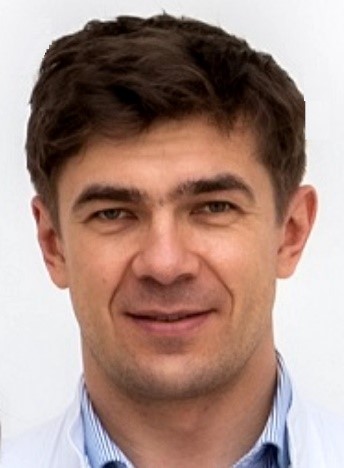
Igor Yakushev
Invited speaker “PET is Wonderful” 2022
Igor Yakushev obtained his MD in 2010 from the University of Mainz, Germany. In 2012, after residency in Psychiatry and Neurology, he moved to Munich for residency in Nuclear Medicine at the Technical University of Munich (TUM). Since 2013 he leads the research group “Multimodal imaging of normal and pathological cognition”. Since 2015 he is the Head of Neuroimaging at the Dept. of Nuclear Medicine, TUM. 2019-2020 Assistant Professor Igor Yakushev served in the Board of Directors of the Brain Imaging Council, Society of Nuclear Medicine and Molecular Imaging. Currently, he is an Associate Faculty at the Munich Center for NeuroSciences “Brain and Mind” and the Head of the international Molecular Connectivity Working Group. Igor Yakushev’s research is focused on mechanisms of brain connectivity and development of imaging-based biomarkers for neurodegenerative and neuro-oncological disorders. Herewith, he applies positron emission tomography, structural, functional MRI, and diffusion weighted imaging.
Irene Buvat
Invited speaker “PET is Wonderful” 2022
Irène Buvat received her PhD degree in “Particle and Nuclear Physics” from Paris Sud University, France, in 1992 and oriented her career towards applications of Nuclear Physics to Medical Imaging. She performed a post-doctoral fellowship at University College London, UK, and another at the National Institutes of Health, Bethesda, USA. In 1995, she entered the French “Centre National de la Recherche Scientifique”.
She is currently the head of the “Laboratory of Translational Imaging in Oncology” research lab at Institut Curie Research Centre in Orsay, France. Her research interests focus on developing quantification methods to make the most of SPECT and PET data coupled with CT or MRI for understanding biological mechanisms or optimizing patient management. She has been the spokesperson of the worldwide OpenGATE collaboration developing the GATE Monte Carlo opensource simulation tool dedicated to emission and transmission tomography and radiotherapy applications for 10 years. She is currently largely involved in radiomic and artificial intelligence approaches to further enhance the role of PET/CT and PET/MR in precision medicine, and supervises the development of the LIFEx software enabling user-friendly radiomic studies. She has always been very active in training students and in knowledge and software dissemination and promotes open-access to high-standard research material.


Matt Brooke
ARRIVE 2.0 Speaker, “PET is Wonderful” 2022
After carrying undergraduate studies at Durham University in Biomedical Sciences, Dr Matt Brooke went on to achieve his PhD in Cutaneous Medicine from Queen Mary University of London in 2014. Dr Brooke then secured funding from the Medical Research Council (MRC), as a post-doctoral researcher, in order to further understand the biology of the Rhomboid protein iRhom2, the metalloprotease ADAM17 and the pathways they regulate. Later he carried out work, funded by the British Skin Foundation, studying the same pathways in the development of psoriasis.
Dr Brooke became Program Manager for the reporting of animal research at the NC3Rs in 2020, where he works on the implementation of the ARRIVE guidelines and is a member of the Policy and Outreach group.
Wolfgang A. Weber
AQARA Speaker, “PET is Wonderful” 2022
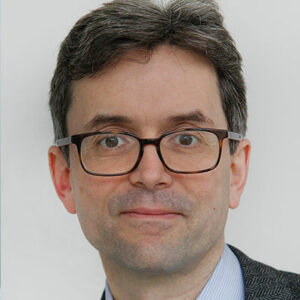
Professor Weber (b. 1967) is Director of the Department of Nuclear Medicine at “Klinikum rechts der Isar” (the University Hospital of the TUM) since 2018. He specialises in the field of molecular imaging and targeted radionuclide therapy. His research focus is the combination imaging and therapy of cancer (theranostics).
Professor Weber obtained his doctorate at the TUM in 1995. He then worked as an associate professor at the University of California, Los Angeles from 2003‒2007. In 2007, he became Chair of the Department of Nuclear Medicine at the University of Freiburg. From 2013‒2017 he was Chief of the Molecular Imaging and Therapy service at Memorial Sloan Kettering Cancer Centre and Professor of Radiology at Weill-Cornell Medical College, New York.
Professor Weber has published 250+ papers in numerous journals, including the Journal of Nuclear Medicine, the European Journal of Nuclear Medicine and Molecular Imaging, the Journal of Clinical Oncology, amongst many others. He has also served on the editorial boards of several medical journals.
Dario Longo
FAIR Speaker, “PET is Wonderful” 2022
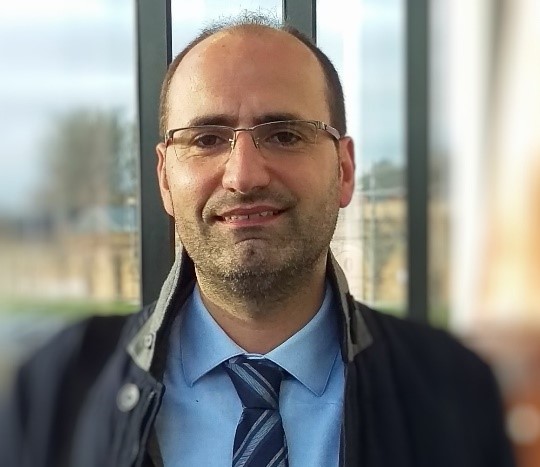
Prof. Dario Longo received his PhD in Biochemical Sciences from the University of Turin, Italy, in 2007. After working as a post-doctoral researcher in the MRI preclinical field at the Molecular Imaging Center of the University of Turin, he joined the National Research Council of Italy in 2014. Presently, he is the Head of the Research Unit of Torino of the Institute of Biostructures and Bioimaging (IBB) of the CNR and adjunct lecturer in Cancer Imaging at the University of Turin.
His research aims to develop novel MRI-based methods for characterising tumour microenvironment properties (acidosis, vascularisation, hypoxia) in murine tumour models and developing and validating non-invasive MRI procedures and probes for improving diagnosis and assessment of treatment effects with a special focus on tumour metabolism and on antiangiogenic drugs. Dr Longo’s studies also focus on assessing pH imaging as a novel biomarker in cancer and in renal diseases. He also is involved in developing tools for improving the “FAIRification” (Findable, Accessible, Interoperable and Reusable) of medical image datasets within the Open Science concept, leading the Data Management working group for the Euro-BioImaging Research Infrastructure.
Dario Longo is co-author of nearly 90 peer-reviewed paper and he is serving as Board Member for the European Society of Molecular Imaging (ESMI).
Tommaso Volpi
Gamma Prize PET Contest 2020 Winner, “PET is Wonderful” 2022
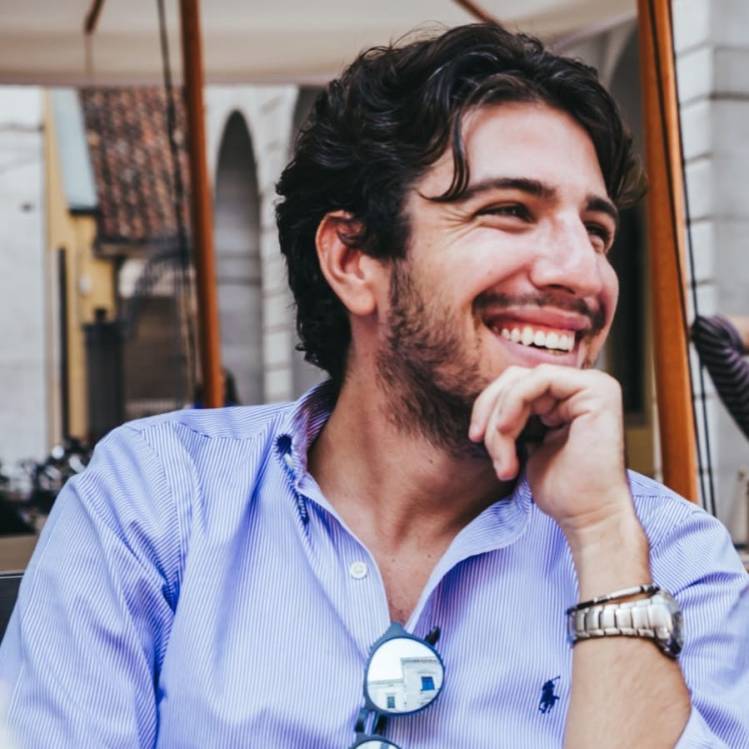
Tommaso Volpi is currently a final-year PhD student at the University of Padova, Italy, under the supervision of Prof. Alessandra Bertoldo and Prof. Maurizio Corbetta.
His main scientific interests regard the use of PET kinetic modelling to derive physiological information on brain metabolism and connectivity, the development of non-invasive alternatives to gold-standard arterial input function, and the use of PET-derived information to understand the biological underpinnings of resting-state functional MRI measures.
After the completion of his PhD, he will continue his postdoctoral studies at the Yale PET centre, under the supervision of Prof. Richard Carson.
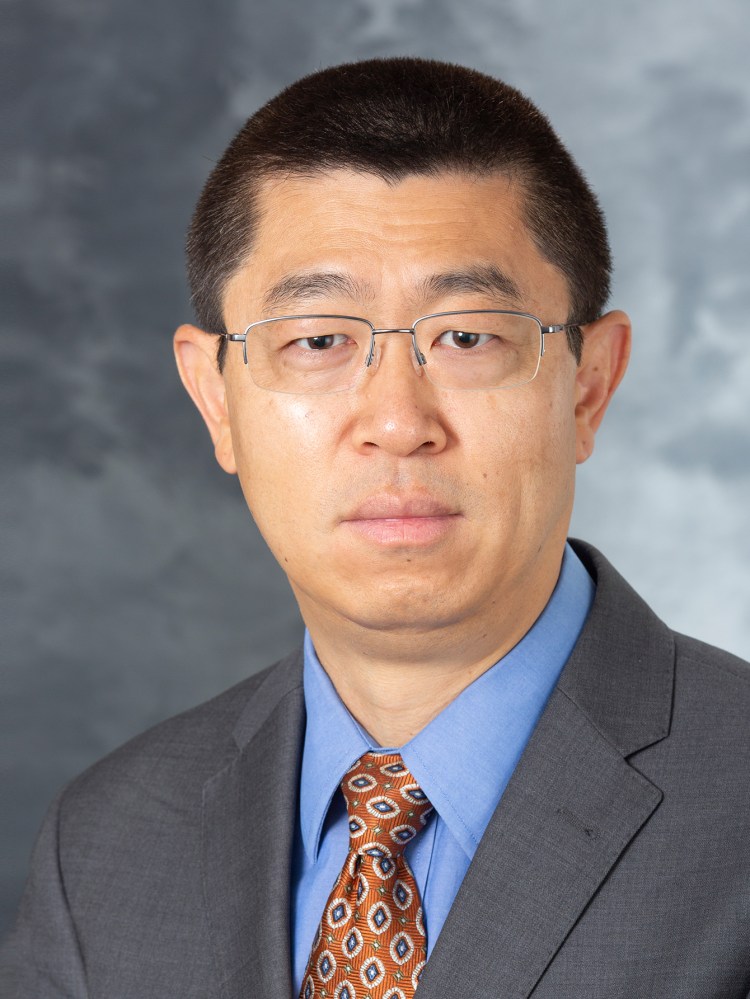
Weibo Cai
Keynote speaker “PET is Wonderful” 2023
Weibo Cai is a Vilas Distinguished Achievement Professor of Radiology, Medical Physics, Materials Science & Engineering, and Pharmaceutical Sciences at the University of Wisconsin – Madison. He received a BS degree in Chemistry from Nanjing University, China (1995) and a PhD in Chemistry from the University of California San Diego (2004). Between 2005 and 2008, Dr. Cai did his post-doctoral research in the Molecular Imaging Program at Stanford University. In February 2008, Dr. Cai joined the University of Wisconsin – Madison as a Biomedical Engineering Cluster Hire, and was promoted to Associate Professor with Tenure in 2014, and Full Professor in 2018. Dr. Cai’s research at UW-Madison is primarily focused on molecular imaging and nanobiotechnology.
Dr. Cai has authored >380 peer-reviewed articles (total citation: >36,000 times; h-index: 99), edited 3 books, and given >300 talks. Dr. Cai has received many awards, including mosrt recently: Fellow of Royal Society of Chemistry (RSC, 2021), SNMMI Radiopharmaceutical Sciences Council’s Michael J. Welch Award (2022), and Journal of Nanobiotechnology (JNB) Trailblazer Award (BMC/Springer Nature, 2022), amongst others. Dr. Cai has served on the Editorial Board of >20 scientific journals and he is currently the Editor-in-Chief of Journal of Nanobiotechnology, Editor-in-Chief of American Journal of Nuclear Medicine and Molecular Imaging, and Associate Editor of European Journal of Nuclear Medicine and Molecular Imaging.
Claudia Kuntner-Hannes
Keynote speaker “PET is Wonderful” 2023
Ass.-Prof. PD Dr. Claudia Kuntner-Hannes studied Technical Physics at the Vienna University of Technology, Austria. She finished her PhD thesis in 2003 at the Vienna University of Technology and CERN (Switzerland), where she was working on detector materials used in preclinical PET scanners. She received her “venia docendi” (Habilitation) at the Medical University of Vienna in 2011. She worked at the AIT Austrian Institute of Technology from 2004 – 2020 as a Senior Scientist, building up the preclinical molecular imaging facility and making it a state-of-the-art imaging center. Since 2021 she is now associated with the Department of Biomedical Imaging and Image-guided Therapy of the Medical University of Vienna and became Assistant Professor associated with the Medical Imaging Cluster in 03/2021. Claudia Kuntner-Hannes is the author of 81 publications in peer-reviewed journals, with 2055 citations and a Hirsch (h) index of 27. Furthermore, she is the editor and co-author of one book and two book chapters. Her research focuses on methodological aspects of preclinical imaging and pharmacokinetic modeling of PET data. She acquired several grant-funded research projects in collaboration with national or international partner institutions and supervised PhD, Masters, and Bachelors students.

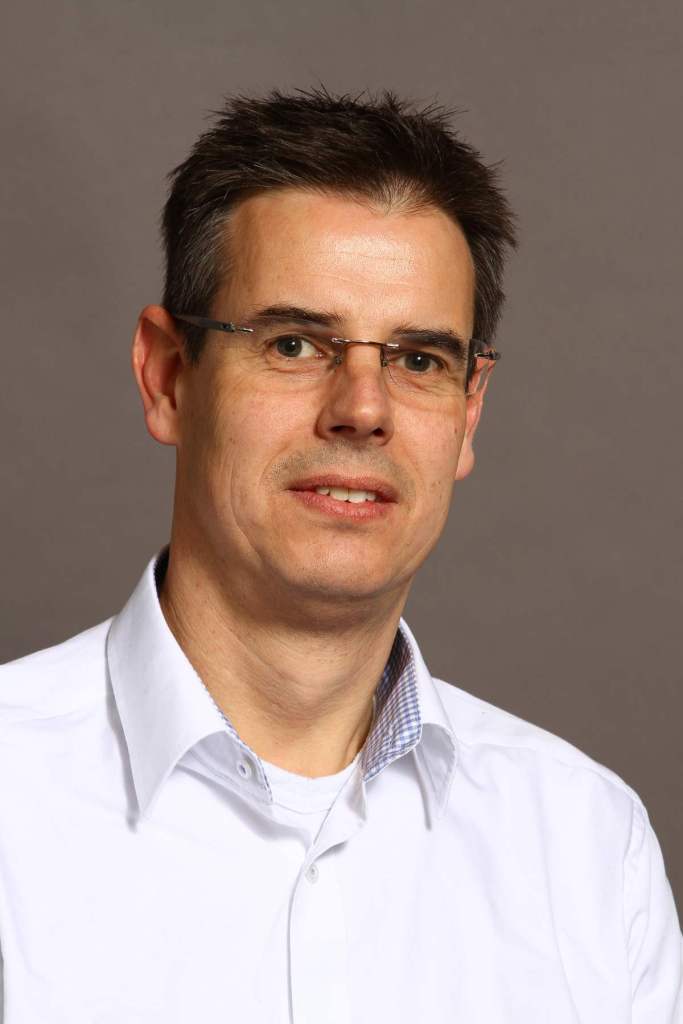
Ronald Boellaard
Keynote speaker “PET is Wonderful” 2023
Prof.dr. Ronald Boellaard (M) is appointed as full professor at the Amsterdam University Medical Centres and at the University Medical Centre Groningen, The Netherlands. He has a background in biology (MSc) and physics (MSc) and a PhD in science. His research focuses on (pharmacokinetic) quantitative analysis of positron emission tomography (PET), PET image reconstruction and processing and artificial intelligence. He is member or former member of several international societies and committees (e.g. QIBA technical FDG PET/CT and Amyloid committees, member of EANM NeuroImaging committee, EORTC imaging workgroup, EARL steering board). He is the principal author for the Netherlands and the European guidelines for standardisation of quantitative FDG PET and PET/CT studies (EJNMMI 2010 & 2015).
Specialties: quantitative analysis of positron emission tomography studies; image processing, radiomics and artificial intelligence, image reconstruction, pharmacokinetic analysis (brain, onco, cardio), PET standardization and QA and more recently Total Body PET/CT.
Danielle Vugts
Keynote speaker “PET is Wonderful” 2024
Danielle Vugts is a Professor in PET radiochemistry, with a special focus on imaging in drug development at Amsterdam UMC, The Netherlands. She obtained her Ph.D. in organic chemistry at the Vrije Unversiteit Amsterdam, The Netherlands. Hereafter she continued as a postdoctoral fellow at Amsterdam UMC and worked on pre-targeted imaging, in collaboration with Philips, and 89Zr-immuno-PET, in collaboration with Roche. Her research is focused on PET radiochemistry method development using 11C, 18F and 89Zr, and understanding new biopharmaceuticals using imaging. Alongside her research, she is head of GMP production for the radiolabelled biopharmaceuticals. Additionally, Dr Vugts is president-elect for the Society of Radiopharmaceutical Sciences.
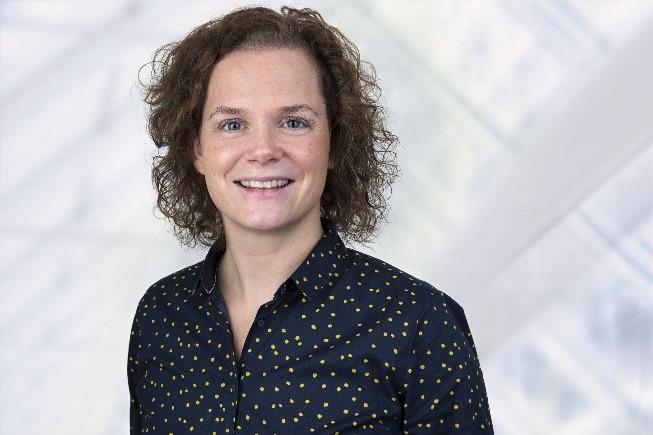
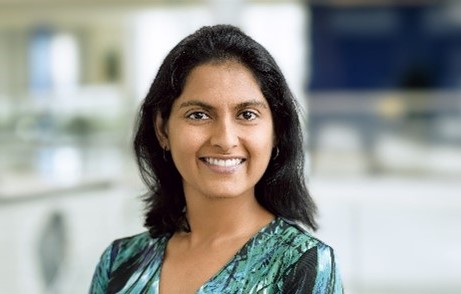
Joyita Dutta
Keynote speaker “PET is Wonderful” 2024
Dr Joyita Dutta is a tenured Professor in the Department of Biomedical Engineering at the University of Massachusetts Amherst. She received her B.Tech. (Honors) from the Indian Institute of Technology (IIT) Kharagpur and M.S. and Ph.D. from the University of Southern California. She directs the Biomedical Imaging and Data Science Laboratory (BIDSLab) at UMass Amherst, which develops signal processing and artificial intelligence (AI) techniques for image, graph, and time-series datasets. Her scientific contributions include the development of a broad range of tools for medical image enhancement and reconstruction with a focus on multimodality information integration. Her current research interests include developing AI approaches for the diagnosis and prognosis of Alzheimer’s disease. Dr Dutta was the recipient of the 2016 Tracy Lynn Faber Memorial Award from the Society of Nuclear Medicine and Molecular Imaging (SNMMI) and the 2016 Bruce Hasegawa Young Investigator Medical Imaging Science Award from the IEEE. She is currently the President of the SNMMI Physics, Instrumentation and Data Sciences Council (PIDSC).
Georges El Fakhir
Keynote speaker “PET is wonderful” 2025
Dr El Fakhri is the Elizabeth Mears and House Jameson Professor in the Department of Radiology and Biomedical Imaging, and the Department of Bioinformatics and Data Sciences at Yale School of Medicine. He is the Director of the Yale Biomedical Imaging Institute, Vice-Chair for Scientific Research in Radiology and the Director of the Yale PET Center at Yale University. Dr El Fakhri is an internationally recognized expert in quantitative molecular imaging (SPECT, PET-CT, and PET-MR) for in vivo assessment of patho-physiology in brain, cardiac and oncologic diseases. Current areas of research include high resolution PET/MR imaging in a range of diseases including neurodegenerative disease and traumatic brain injury (amyloid and neurofibrillary tangles), cardiac disease (mitochondrial membrane potential), as well as guiding radiotherapy planning (PET/MRSI).
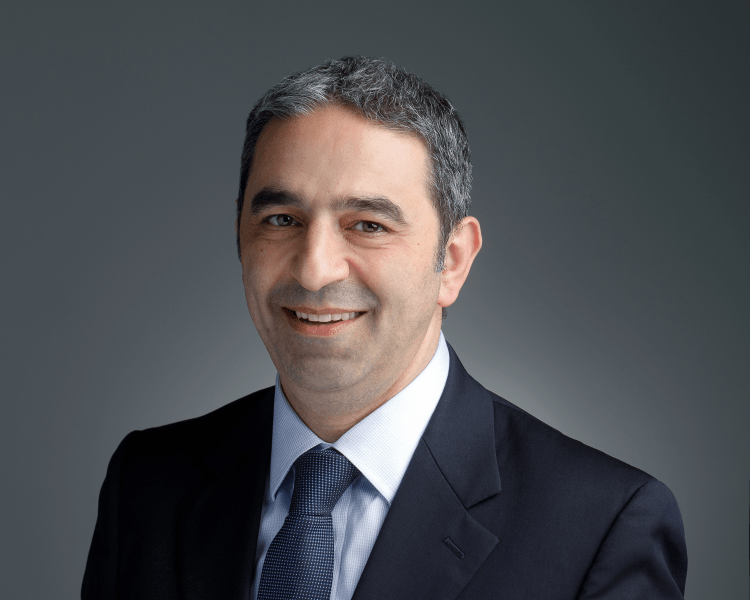

Stefaan Vandenberghe
Invited Speaker “PET is Wonderful” 2025
Stefaan Vandenbergheobtained his MSc in Physics in 1996 and an additional degree in Biomedical Engineering in 1997 from KU Leuven. After working in the nuclear medicine department of the University Hospital Ghent (1997-1999) he started a Ph.D. in the MEDISIP group of the University of Ghent. He received a Ph.D. (Engineering) from this university in 2002, which was awarded with Scientific Prize of Barco. During his FWO postdoctoral research he worked on rotating slat systems (with solid state detectors) Monte Carlo simulations and natural pixel reconstruction in Ghent University and the University of Massachusetts. In 2004 he joined Philips Research USA (Briarcliff) to become a Senior Scientist in the Clinical Site Program. He has been appointed as full time research professor (BOF-ZAP) at Ghent University since October 2007 and leads the MEDISIP research group since 2008.
Sibylle Ziegler
Invited Speaker “PET is Wonderful” 2025
Sibylle Ziegler studied physics at the Johannes Gutenberg University in Mainz. For her doctorate, she went to the German Cancer Research Center in Heidelberg in 1986 to conduct research on one of the first positron emission tomographs (PET) in Germany. From 2016 until June 2024, she has led preclinical research in nuclear medicine at the University Hospital of LMU Munich. Since July 2024, she is head of PET/CT research in the department of nuclear medicine at Hannover Medical School (MHH). Her research focuses on novel detectors and systems for high-resolution small animal PET, PET/MR, Total-body PET, and quantitative analysis in molecular imaging using biokinetic models and machine learning. She was president of the German Society for Medical Physics (DGMP) from 2007 to 2008. In the German Research Foundation (DFG), she was a member of the review board “FK 205-32 Biomedical Engineering and Medical Physics” and spokesperson of the section “Medical Engineering” for 8 years. Sibylle Ziegler has been a member of the German National Academy of Science and Engineering ACATECH since 2016.

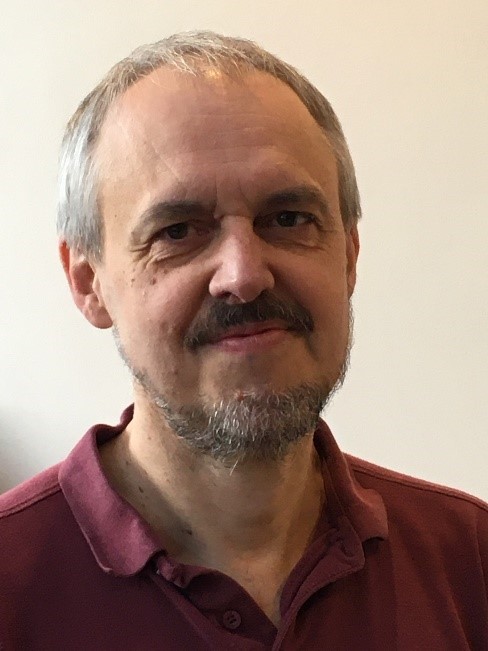
Kris Thielemans
Invited Speaker “PET is Wonderful” 2025
Prof. Kris Thielemans is Professor in Medical Imaging Physics at the Institute of Nuclear Medicine (INM), University College London, UK. Prof. Thielemans worked in industry from 2001 to 2011. He led the international team in GE Research that developed Q.Freeze(tm), the first commercial solution for respiratory motion correction in PET/CT. Since joining UCL in 2013, his research covers PET-CT, PET-MR and SPECT, including motion detection and correction, quantitative image reconstruction and synergistic (joint) reconstruction of multi-modality data, with an aim towards translation to practice, as exemplified in various projects with industry. Dr. Thielemans is the lead designer and maintainer of the open source project Software for Tomographic Image Reconstruction (stir.sourceforge.net), which allows quantitative image reconstruction for PET and SPECT data, and the Synergistic Image Reconstruction Framework (SIRF) for PET, SPECT and MR data (www.ccpsynerbi.ac.uk).
Melanie Ganz-Benjaminsen
Invited Speaker “PET is Wonderful” 2025
Dr. Melanie Ganz-Benjaminsen is an Associate Professor at the Department of Computer Science, University of Copenhagen, and a Senior Researcher at the Neurobiology Research Unit, Rigshospitalet, Copenhagen. She earned her Ph.D. in Computer Science from the University of Copenhagen in 2011 and holds an M.Sc. in Physics from the Karlsruhe Institute of Technology. Before her current roles, she was a Postdoctoral Research Fellow at Harvard Medical School and Massachusetts General Hospital. Dr. Ganz-Benjaminsen’s interdisciplinary expertise spans physics, computer science, and neuroimaging, focusing on applying medical image processing and machine learning techniques to clinical neuroimaging data, particularly PET and MRI.

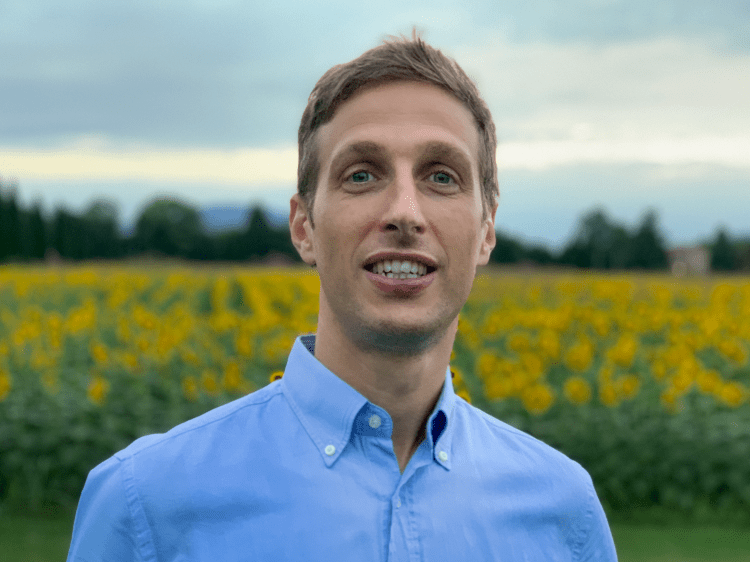
Mattia Veronese
Invited Speaker “PET is Wonderful” 2025
Mattia Veronese is Associate Professor in Biomedical Engineering at the Department of Information Engineering, University of Padua and Honorary Senior Lecturer in Neuroimaging at King’s College London. He is a biomedical engineering by training and holds a PhD in PET kinetic modelling. His main research interest is related to the development and validation of molecular neuroimaging biomarkers and to their use for drug development and precision medicine. In his research career he has been involved in more than 30 experimental medicine studies across neurological and psychiatric disorders, participating in the analysis of thousands of neuroimaging scans.
Thomas Beyer
Invited Speaker “PET is Wonderful” 2025
Thomas Beyer holds a PhD in Physics and an MBA in Innovation and Entrepreneurship. He is co-developer of the first combined PET/CT system worldwide. Thomas graduated in Physics at the Leipzig University (Germany) and got his PhD in Medical Physics from Surrey University (UK). During his US-based studies he became involved in the development and clinical testing of the PET/CT prototype (1992-2000) before joining Siemens/CTI PET Systems as an International PET/CT specialist. In 2002, he became a Research Associate in Nuclear Medicine and Radiology and PET/CT project manager at Essen University Hospital (Germany). In 2006, he became Teaching Professor (Priv-Doz) for Experimental Nuclear Medicine at Essen, and joined timaq medical imaging Inc, a Zurich-based Imaging CRO. In 2007, he moved to Philips Medical Systems as International Manager Clinical Science Nuclear Medicine. From 2008-2013 he operated a Zurich-based consulting company for expert advise in cross-modality imaging and applications. He is been appointed full professor of Physics of Medical Imaging at the Medical University of Vienna from March 2013.
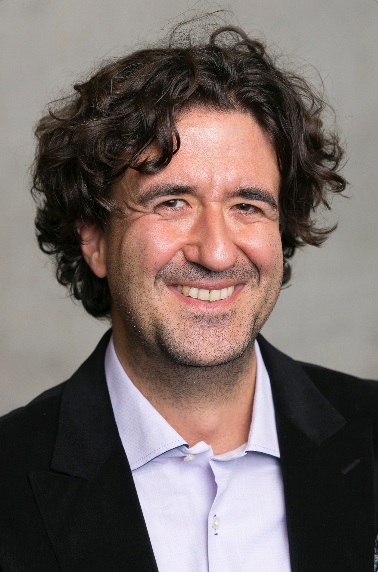
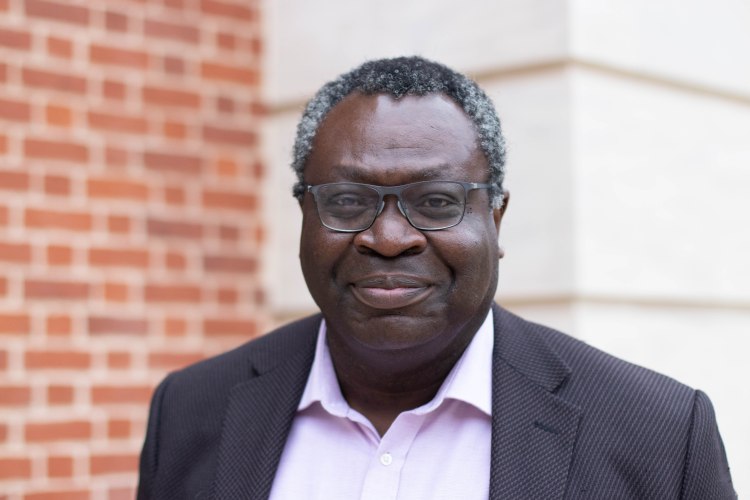
Franklin Aigbirhio
Invited Speaker “PET is Wonderful” 2025
Franklin Aigbirhio obtained a BSc(Hons) in chemistry from the University of East Anglia (UK) followed by a DPhil from the University Sussex (UK). He entered the research field of radiochemistry and biomedical imaging on joining the MRC Cyclotron Unit at Imperial College London in 1991. He then joined the Wolfson Brain Imaging Centre (WBIC), University of Cambridge in 1997 as a founding staff member, helping to establish its PET programmes and progressed to Co-Director of the centre in 2016. Presently as Professor of Molecular Imaging Chemistry he manages a lab undertaking research programmes in developing novel radiopharmaceuticals and methods and their application for preclinical and clinical PET research. He is a Senior Research Fellow at Magdalene College Cambridge, a Fellow of the Royal Society of Chemistry, and a Fellow of the Academy of Medical Sciences.
Philip H. Elsinga
Invited Speaker “PET is Wonderful” 2025
Prof. Dr. Philip H. Elsinga is an organic chemist by training and and obtained his PhD in 1995 at the University of Groningen. He is involved in PET-related radiopharmaceutical research and translation of radiopharmaceuticals to the clinic. Main focus was firstly directed to PET-labelled amino acids, receptor ligands for the beta-adrenergic receptor and substrates for P-glycoprotein. Later on, his interest broadened to other PET-radiopharmaceuticals, such as 18F-labelled peptides, receptor antagonists, bacterial infection tracers and artificial amino acids for neuroendocrine tumors. In 2011 Philip Elsinga was appointed as full professor PET-radiochemistry.
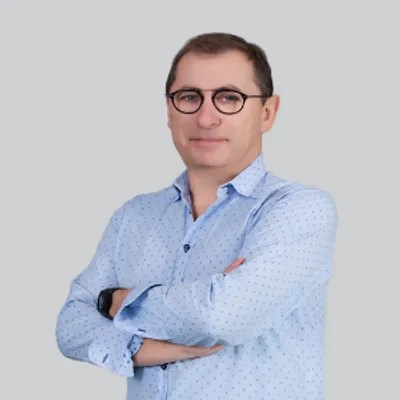
Giles Tamagnan
Invited Speaker “PET is Wonderful” 2025
Dr. Tamagnan is an Associate Professor Adjunct, Department of Psychiatry, and the CEO of XingImaging and Research Scientist at Xuanwu Hospital in Beijing. He is also responsible of the IND submission and working with the clinical team to validate the radiopharmaceutical. He has over 20 years of industrial and academic experience in the research and development of radiopharmaceuticals labeled with short-lived gamma-emitting radionuclides. Dr. Tamagnan is an active member of the nuclear medicine research community over the past 20 years and has been involved in the evaluation of over 70 CNS PET and SPECT imaging agents in human aimed at the development of improved diagnosis and treatment of neurologic and psychiatric conditions. He is a physician sponsor of over 35 INDs.
Axel Rominger
Invited Speaker “PET is Wonderful” 2025
Axel Rominger, MD, is a Full Professor of Nuclear Medicine at the University Hospital in Bern, as well as Chairman of the Department of Nuclear Medicine at Inselspital. From 2007 until 2018 he worked at Ludwig Maximilian’s University of Munich, where he served as deputy director for 5 years. During this period he won several national and international research awards. In 2020, his department received the world’s first large axial field-of-view PET scanner from Siemens, which provides new opportunities for research and clinics due to its high sensitivity, axial coverage, and fast time of flight performance. To accelerate research on total body PET imaging, he has established numerous international collaborations. He is author of more than 300 peer-reviewed publications and he serves as associate editor of the EJNMMI journal.
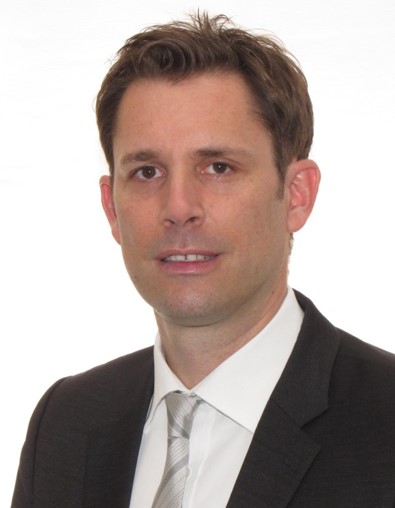

Martin Nørgaard
Invited Speaker “PET is Wonderful” 2025
Dr Nørgaard is a biomedical engineer and neuroscientist working to understand and improve the reliability and reproducibility in medical image analyses. He has a particular interest in understanding how methodological variability affects the interpretations of neuroimaging data, and how machine learning, open science and modern software practices can contribute to this. He completed his bachelor’s and master’s degree in biomedical engineering in (2013 and 2015, respectively) at the Technical University of Denmark (DTU), specializing in advanced signal processing, medical image analysis and machine learning. Next, he did his PhD in Neuroscience with Gitte M. Knudsen, Melanie Ganz and Claus Svarer from the Neurobiology Research Unit, Rigshospitalet, University of Copenhagen and Stephen C. Strother from the University of Toronto (2016-2019). Afterwards he was a DFF International Postdoctoral Fellow with Russ Poldrack at Stanford University (2020-2022), affiliated with 1) The Department of Psychology, 2) The Center for Reproducible Neuroscience, and 3) The Stanford Data Science Center for Open and Reproducible Science.
Samantha Terry
Invited Speaker “PET is Wonderful” 2025
Dr Samantha Terry is a Reader in Radiobiology at King’s College London. She started her team (www.radlab.uk) at King’s College London in 2015, having in the past worked at the Radboud UMC the Netherlands as a postdoc (2011-2014, radionuclide imaging), the University of Oxford as a postdoc (2009-2011, radionuclide therapy) and the University of St Andrews as a PhD student (2006-2009, X-ray radiobiology). The research of her team at King’s focuses on determining how radiation and radioactivity used for therapy in cancer affect either the cells they are targeting or off-target cells and determine their radiation dose-biological effect relationships. Also explored are combination therapies. This information is then used to determine how we can best use radionuclides and radiopharmaceuticals in the clinic. Research is mostly in vitro (cells), in silico, and preclinical.
Ruth Lim
Keynote Speaker “PET is Wonderful” 2025
Dr. Ruth Lim is an Assistant Professor of Radiology and Biomedical Imaging at Yale University School of Medicine and an attending at the Yale New Haven Hospital. She is dual board certified in nuclear medicine and pediatric radiology. Her research interests include PET/MR fusion imaging of neurofibromatosis, 11C-MET PET imaging of low-grade cartilage tumors, 18F-MISO hypoxia imaging of chordoma in radiotherapy patients, Dynamic factor analysis in magnetic resonance urography, Dual isotope SPECT 123I-MIBG/99mTc-MDP for neuroblastoma and 11C-MET PET in pediatric tumors. She has served as the president of the American Board of Nuclear Medicine (ABNM) and is an elected member of the Board of Directors of the Society of Nuclear Medicine and Molecular Imaging (SNMMI).
 petiswonderful.org